How Trezor.io/start Protects Against Phishing and Malware
Phishing and malware attacks are common ways that cybercriminals target cryptocurrency holders. These attacks aim to steal private keys or recovery phrases to gain access to wallets. For this reason, using a hardware wallet like Trezor is an essential step in ensuring the security of your cryptocurrency investments. Trezor.io/start provides a comprehensive guide for setting up your Trezor hardware wallet and protecting your assets from phishing, malware, and other cyber threats.
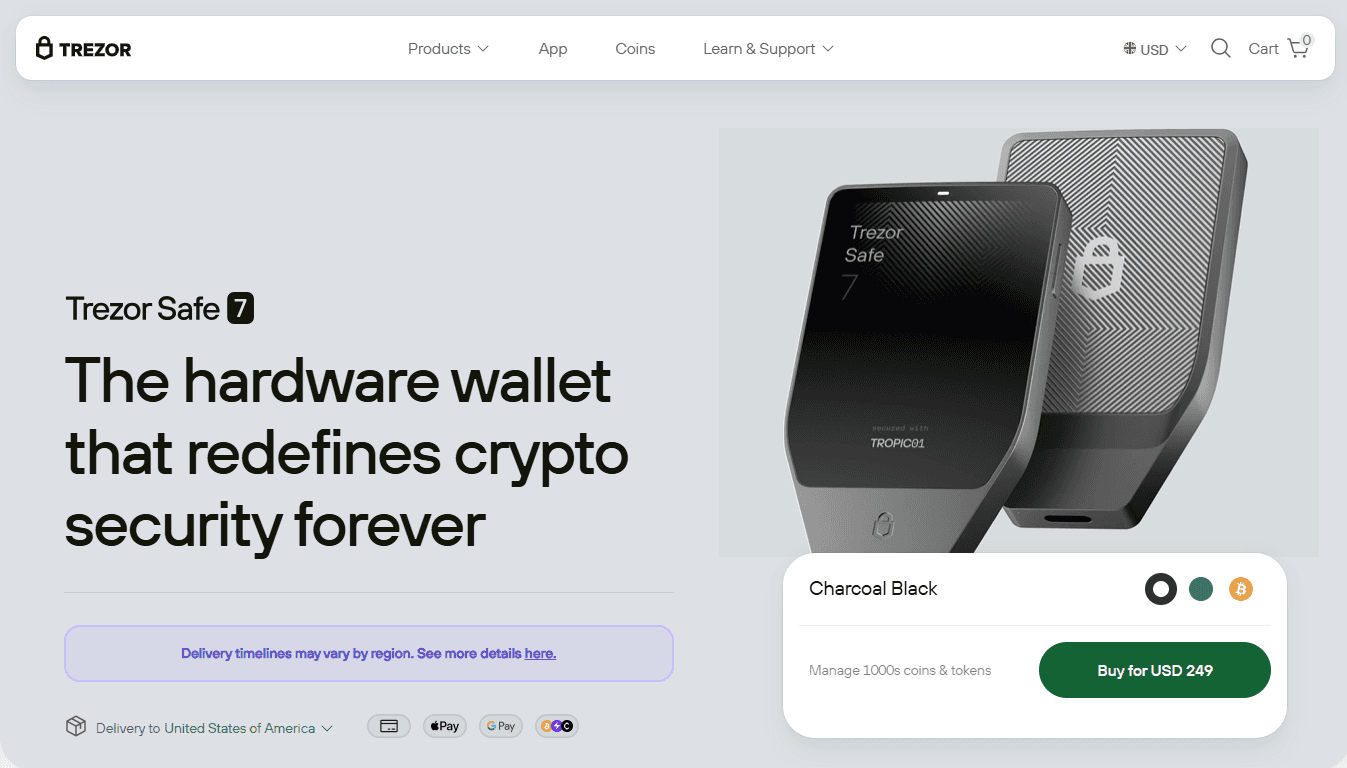
To begin, head to Trezor.io/start and connect your Trezor device to your computer via USB. The website will prompt you to download Trezor Suite, a secure software platform for managing your crypto assets. Trezor Suite allows you to send, receive, and monitor your cryptocurrencies securely, all while keeping your private keys offline and away from potential cyber threats.
As part of the setup, Trezor.io/start will guide you through the process of creating a PIN code, which acts as an additional layer of security. This PIN ensures that even if someone steals your device, they won’t be able to access your funds without the correct PIN.
The most important part of securing your wallet is generating a recovery seed. The recovery seed is a backup that allows you to restore your wallet in the event of loss, theft, or damage to your Trezor device. Trezor.io/start highlights the importance of writing down your recovery seed and keeping it offline, as storing it digitally exposes it to potential phishing or malware attacks.
With your private keys safely stored offline, and your PIN and recovery seed acting as further protections, your Trezor device is virtually immune to phishing and malware attacks that often target software-based wallets. Trezor.io/start ensures that your cryptocurrency is protected through each step of the setup process, giving you peace of mind knowing that your funds are secure.